
The BLM wants to take Oregon back to the era of unsustainable logging
A proposed revision to the BLM’s western Oregon Resource Management Plan could increase logging up to five times and desecrate some of Oregon’s last-remaining old-growth forests.
Alongside the US Forest Service (USFS), the Bureau of Land Management (BLM) has the responsibility of stewarding millions of acres of public forestlands in western Oregon. This unique arrangement is due in large part to the O&C Act of 1937, which established the BLM as the lead agency managing 2.4 million acres of public forests across 18 Oregon counties. For the past 90 years, the O&C Act has been at the center of what we would call Oregon’s “Timber Wars” where corporate timber companies have advocated to maximize timber production via clear-cut logging.
Today, BLM leadership is being influenced by timber industry lobbyists to scrap many water and wildlife protections on these forest lands and return timber production to unsustainable levels. The latest development to rewrite management plans for western Oregon is of grave concern to communities who are trying to address wildfire risk.
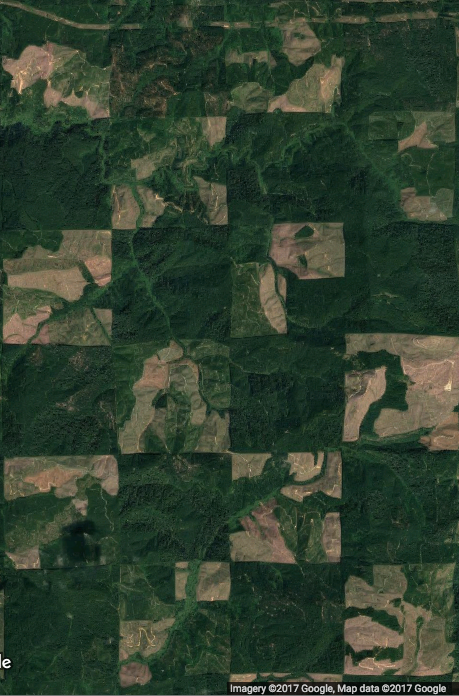
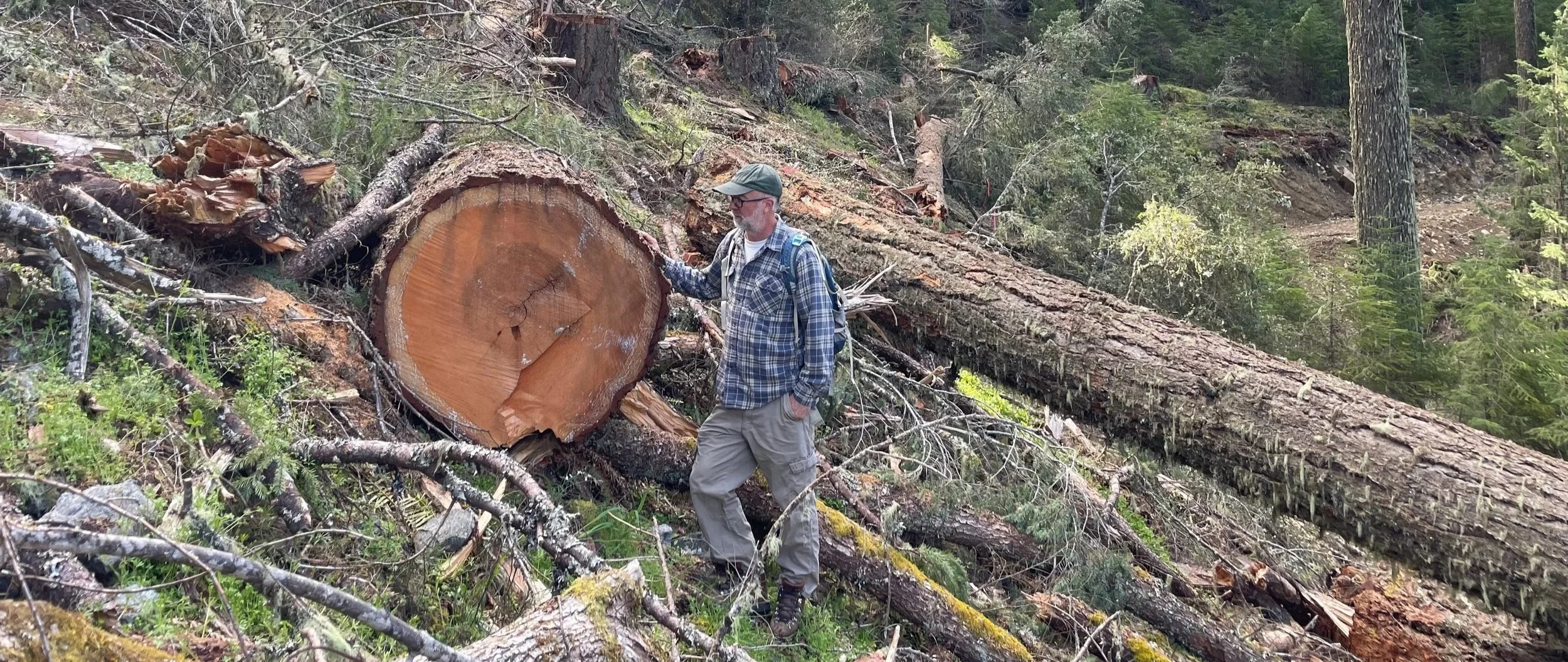
KS Wild and partners across Oregon recently teamed up with Earthjustice to respond to the BLM’s efforts to overhaul their forest management plans for western Oregon, including old-growth forests along the Wild & Scenic Rogue River. If the BLM gets its way, they would be looking to log some of Oregon’s last remaining old-growth forests and quadruple logging outputs as compared to what it is today. This timber grab would necessitate widespread clearcutting, eliminate old-growth reserves, increase fire hazard, and return us to the days of cut-and-run forestry. These forests are some of the last-remaining habitats for certain sensitive species, like the northern spotted owl who needs older forests and their characteristics for nesting, roosting, and foraging habitat. Species like the northern spotted owl cannot and will not survive in tree plantations planted by the BLM after logging these healthy, old forests. If you want to see what the timber industry has in mind for your BLM forests, just take a look at how industry manages the millions of acres of clearcut timber plantations that they own in the state.
This summer, the BLM is expected to open up a public comment period in response to its plans to increase logging in western Oregon’s public forest lands. KS Wild and partners will be organizing petitions and technical comment letters to support science-based approaches to forest stewardship. While the BLM claims they need to ramp up logging to address the wildfire crisis, our analysis over the years has continually shown the BLM’s timber harvest plans actually increase fire risk for rural communities, especially in places like southwest Oregon. Stay tuned to KS Wild's emails, as we await the announcement from BLM to rewrite their Groundtruthing BLM's Salmon Run timber western Oregon management plans.
Resource Guide:
-
We believe the BLM’s plan to revise their resource management plan illegally prioritizes maximum timber production over the other multiple-use mandates required by FLPMA and the O&C Act. We lay out detailed legal, ecological, and economic objections — covering harm to salamander, spotted owl, and salmon habitat, inadequate riparian buffers, road-building impacts, salvage logging science, and Douglas-fir mortality — and calls for a science-based alternative that better protects watersheds, wildlife, and community stability.
-
The science doesn’t lie. We’ve compiled scientific literature in response to the BLM’s plan revision proposal.
-
The BLM is America’s biggest landlord, responsible for over 245 million acres of our public lands, and right now they are proposing a revision of their Resource Management Plan that could negatively impact public lands for generations to come.
Pepper Trail, local writer and ecologist, tells the story. Read it here.
-
Under the Trump administration, the BLM wants to restore timber harvests to pre-1900 levels. Federal agencies say it could reduce wildfire risk and boost the economy. Environmental groups warn it could make conditions worse.
Sign up for alerts
As soon as the BLM’s comment period opens, we’ll send out an alert with easy, actionable ways to submit your comments to the BLM to help protect our forests.