
Seven County – What does it mean for challenging old-growth logging?
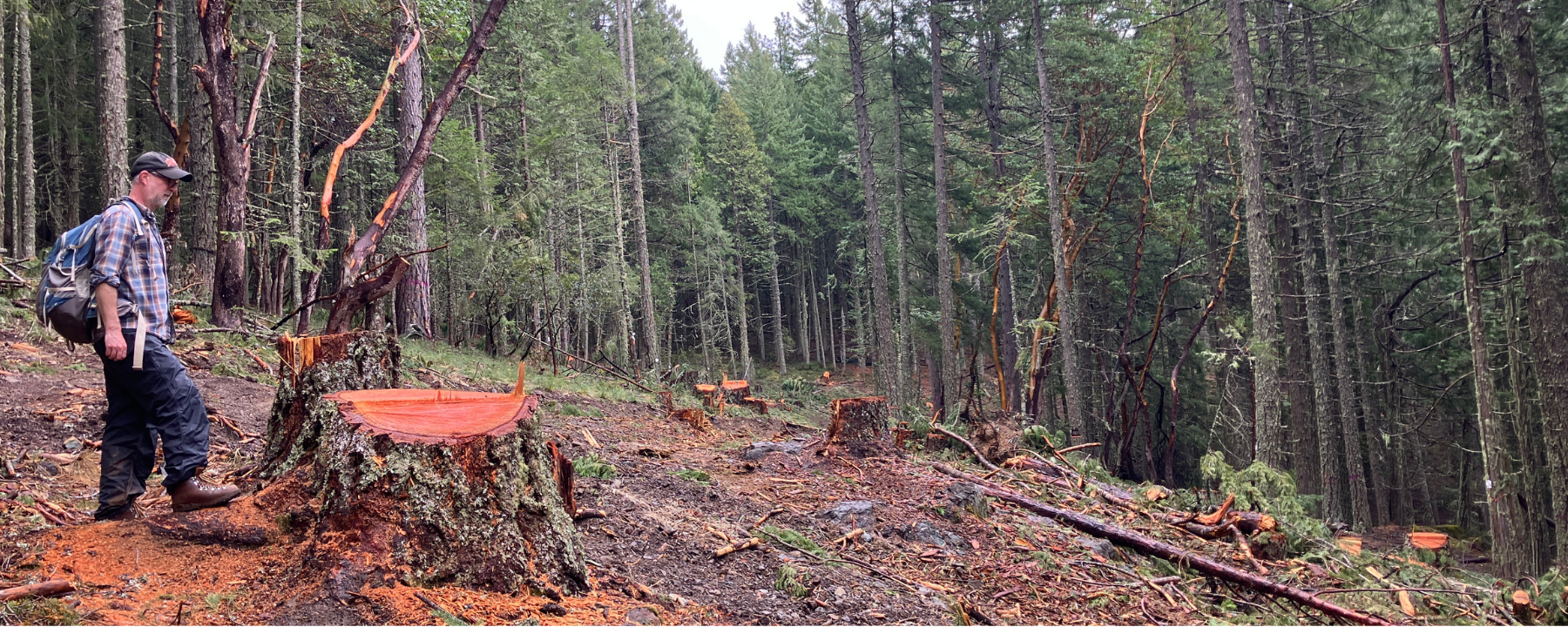
Last Chance project logging by the BLM, Credit: George Sexton
Written by Sydney Wilkins, KS Wild Conservation Attorney in March 2026
Earlier this month, I attended the 44th annual Public Interest Environmental Law Conference in Eugene. I joined a panel with other conservation advocates to talk about a recent U.S. Supreme Court case called Seven County Infrastructure Coalition v. Eagle County, Colorado (we’ll just call it Seven County).
We dug into what this decision means for one of our most important environmental laws and how it could affect efforts to protect old-growth forests.
Since not everyone attends this conference, here’s a breakdown of what we discussed and why it matters to us here in the Klamath-Siskiyous.
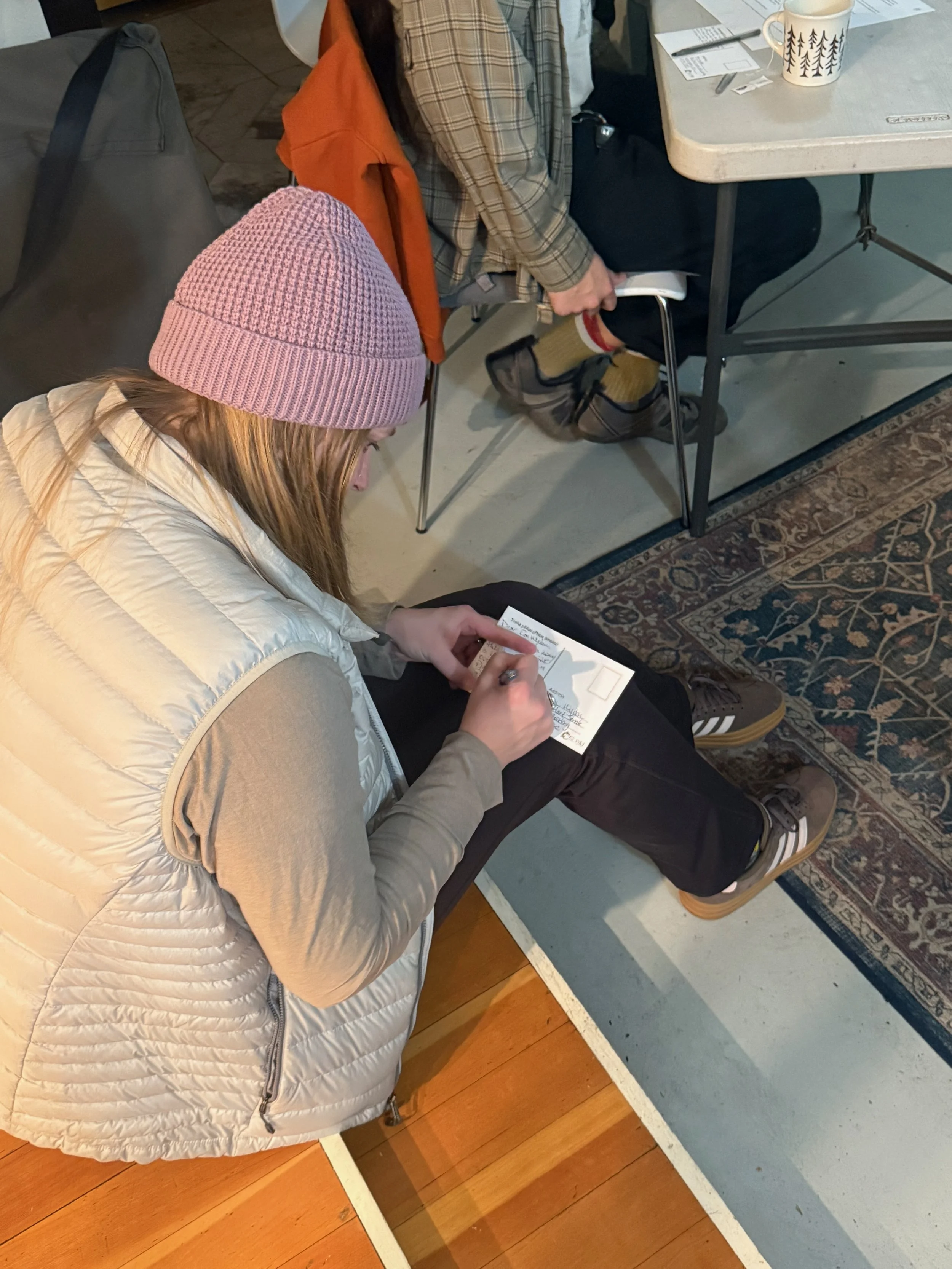
Engaging in the NEPA process as a member of the public often looks like submitting comments either online or via mail to the agencies in regards to their proposed projects.
So first, what is NEPA?
NEPA stands for the National Environmental Policy Act, a law passed in 1970. At its core, NEPA is about making sure the federal government thinks carefully before it acts.
When federal agencies like the U.S. Forest Service or the Bureau of Land Management propose projects (like logging on public lands), they’re required to take a “hard look” at how those projects might affect the environment.
Just as importantly, NEPA gives the public a voice. Agencies have to share information about proposed projects and their environmental analyses with you and consider your input before proceeding.
In short, NEPA doesn’t automatically stop harmful projects, but it does foster government transparency, accountability, and public involvement.
Now, understandably, you might be asking what the Seven County case was about.
The case was decided in May 2025 and involved a proposed railroad designed to transport oil. The question before the Supreme Court was this: should the government’s environmental analysis include impacts beyond the railroad itself, such as the effects of drilling and refining the oil it would carry?
The Court said no. It decided those impacts were too far removed from the railroad project and didn’t need to be analyzed. At first glance, this seems like a particularly narrow ruling that doesn’t have much to do with logging or forests, right?
That’s what we thought too. But the Court’s opinion went further than it needed to. The majority emphasized that NEPA is a “procedural” law, meaning it’s about process rather than specific environmental outcomes. It also suggested that courts should give federal agencies a lot of leeway in how they carry out environmental reviews. The Court signaled to trust agencies more and interfere less. It seemed to suggest that environmental activists have used NEPA as a tool to delay or block development and projects. However, this is a mischaracterization and many advocates see NEPA as one of the only tools the public has to ensure agencies fully consider environmental harm and to hold them accountable when they don’t. This mischaracterization by the Court was the concerning aspect of Seven County for many old-growth forest advocates.
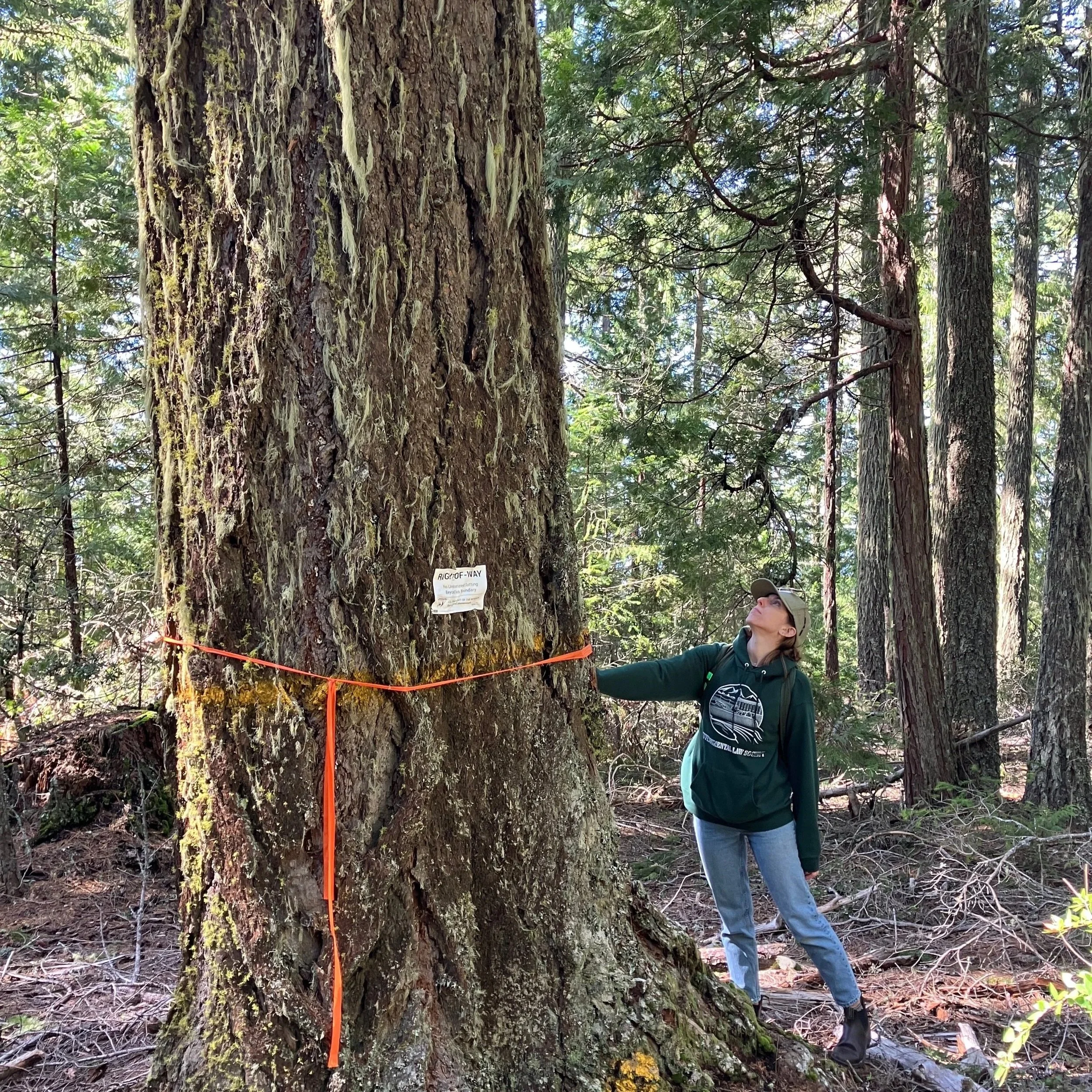
Medford BLM’s Last Chance old-growth timber sale. Click the image to learn more about the Medford BLM’s old-growth logging. Photo: KS Wild
Okay, so how does this change NEPA?
Legally, NEPA is still the same in many ways. Agencies must still analyze the direct, indirect, and cumulative impacts of their projects, like logging, and they still have to explain their decisions.
But in practice is where we’re seeing things shift.
Federal agencies like the BLM are already abusing the Seven County decision to argue for more flexibility and less scrutiny. We’re seeing it cited an extensive number of times in challenges to old-growth logging projects and sometimes even outside the usual NEPA context.
What are we doing about it?
We’re not giving up and we’re not backing down. But it does mean that strategies may need to evolve. Legal challenges to old-growth forest destruction need to focus on clearer, more concrete environmental harms. The goal is to remind the court how narrow the holding of Seven County actually was and to stay firmly grounded in what courts must still require under NEPA.
If you’re asking how you can help…
We’ve been watching a steady rollback of environmental protections recently that directly impact our forest ecosystems, making strong public oversight and engagement more important than ever.
Your voice matters! Speak up for the forests, wildlife, and waters you love. As required under NEPA, the BLM must consider public input on their proposed projects. While it sometimes feels like one voice won’t change anything, it’s so important to remember that there is power in numbers. It takes a village to defend our public lands, and this community is our village.