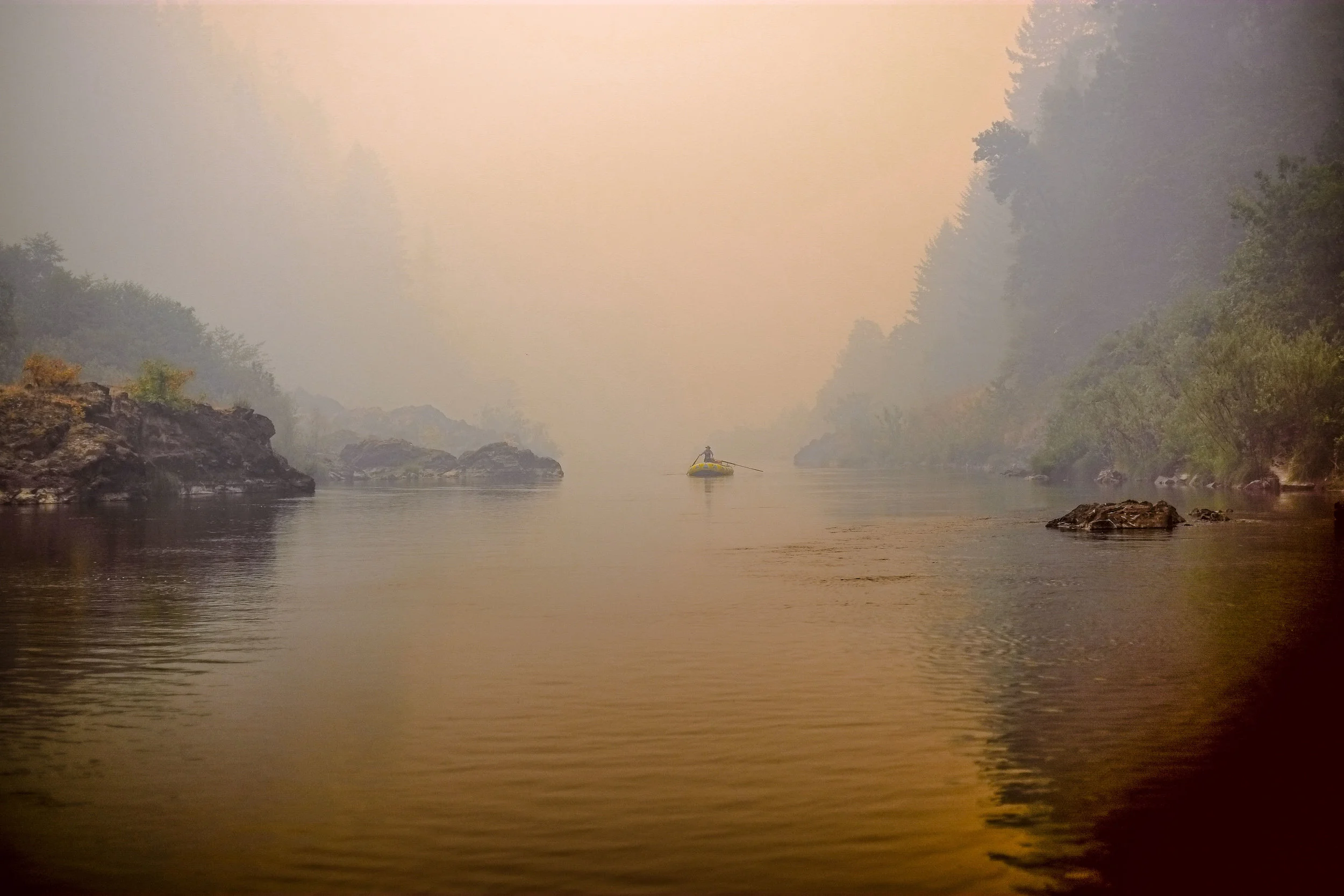
"Integrated Vegetation Management for Resilient Lands" (IVM) sure sounds great doesn't it? Unfortunately, those flowery words are agency-speak for logging old-growth forest reserves down to 30% canopy cover and creating four-acre mini-clearcuts across the landscape in southwestern Oregon.
After nearly a year of negotiations, an agreement over new rules for the Oregon Forest Practices Act has been reached between timber and environmental groups to overhaul management of 10 million acres of private forestlands in Oregon. These changes will update Oregon's forest practice laws and provide significant new protections for our imperiled salmon, recreational and commercial fisheries, and for the communities that rely on these resources.
As part of a team working on a state-wide effort to update Oregon forest practices through a historic agreement with the timber industry, KS Wild and Rogue Riverkeeper are working to fight clearcut logging that leaves behind flammable logging slash, causes sediment that fills salmon streams, and minimizes forest carbon storage that contributes to climate change.
The State of Oregon needs to outline steps to reduce climate change pollution and promote carbon storage in forests. We are asking that the Oregon Global Warming Commission step in and work with ODF to craft realistic solutions to climate change. ODF and the Commission need to begin a science-based process to reform Oregon's forest practices to store more carbon, protect water quality, and prevent pollution.
The U.S. Forest Service is beginning an update of the 1994 Northwest Forest Plan that will lead to new forest plans for our region. These new forest plans will significantly impact our region, defining how nearly 8 million acres of national forest in our region will be managed into the future. KS Wild will be engaging in these new plans—with several forest plans in the Klamath-Siskiyou set to be the first out the gates.
Much of the Bear Grub timber sale is located in the so-called “harvest land base” where the BLM has directed itself to log regardless of the impacts to neighbors, wildlife, or watersheds.
To be the eyes and ears of public lands defense requires KS Wild’s ForestWatch staff to be diligent in how we approach the scope of our work. Read about our plans for 2020, which defending public lands in a number of vital ways.
Instead of continuing the century-old practice of trying to suppress wildfires, we need to learn from the our native American forebears how to use controlled burns to keep our Klamath-Siskiyou forests healthy and biologically diverse.
For the second talk in KS Wild’s Summer Speaker Series on Fire Management, Dr. Christopher J. Dunn focused on five key things we need to remember in our fire-prone landscape, and a new method derived from his research that may alter how we fight fires in the future.
The Red Buttes Wilderness offers large trees, expansive wildflowers, and crystal clear creeks. Here, Conservation Director George Sexton shares a favorite trail in what was once known as the “Applegate Alps.”
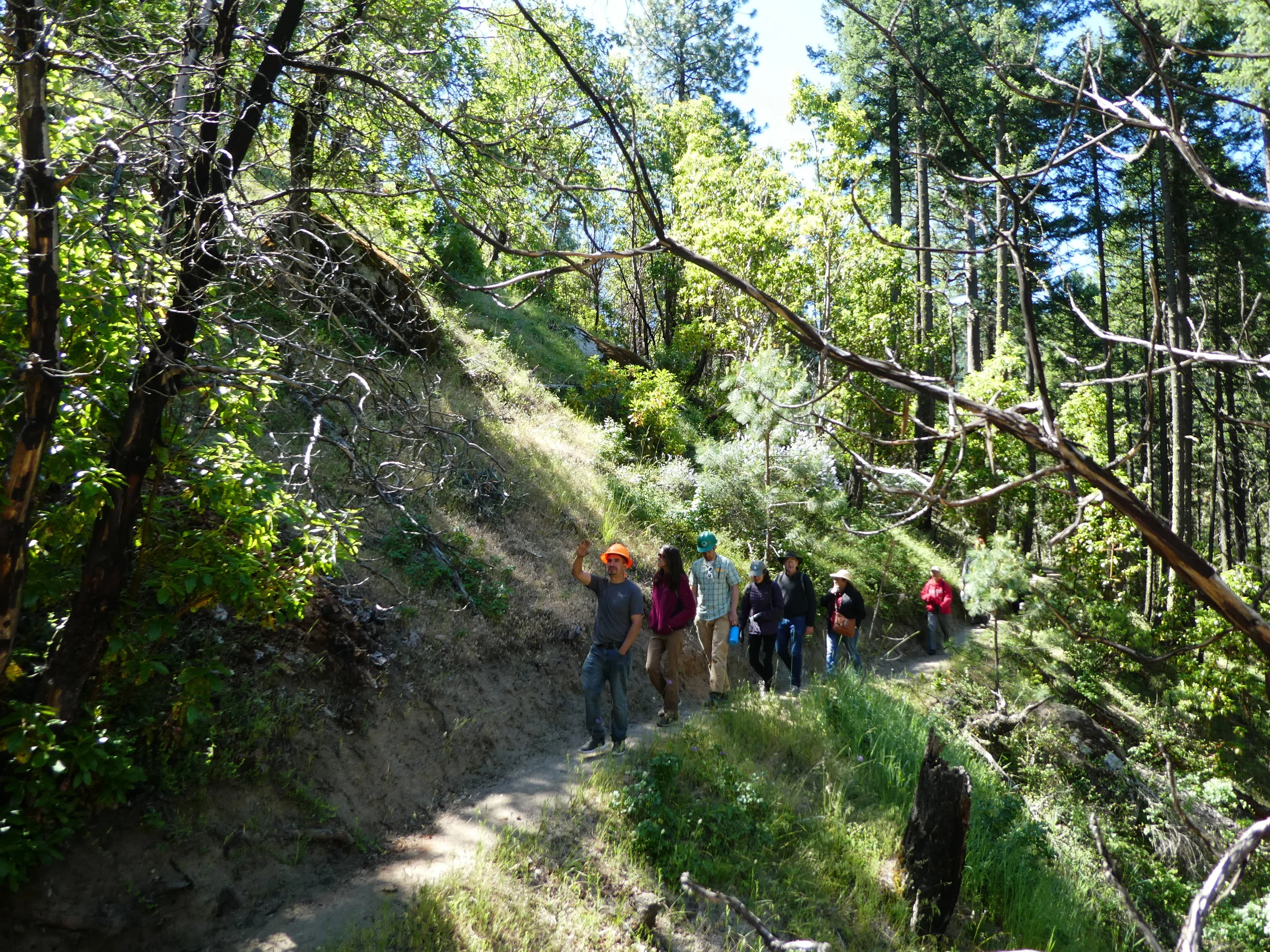
KS Wild, the Northwest Forest Worker Center, and Lomakatsi Restoration Project hosted “The Hands that Touch the Land,” a hike focusing on ecological forestry work.
When the BLM uses taxpayer dollars to plan controversial public lands logging projects, like the Pickett West native forest timber sale, you have a right to know what they are up to. Transparent public lands management is at the heart of how government is supposed to function in our Democracy.
The Klamath National Forest intends to remove 200-400 year-old trees and snags from the landscape to make room for dense timber plantations that offer sparse value to the forest ecology.
The Klamath National Forest proposes to log over 1,200 acres of post fire forests on the Siskiyou Crest. Scroll through this story map for more details on post fire forests and logging in the Klamath Siskiyous.
Guest author Pepper Trail portrays 278 years of life, based on the true story of a Ponderosa Pine as told through it's growth rings. Read the life history of this tiny pine’s world, a valley in the eastern Siskiyou Mountains.
What have we learned since the 2002 Biscuit fire aftermath, and how will it affect land management decisions in the post-Chetco Bar burn area of southwest Oregon?
...with the passage of time it is now possible to look back more objectively at Biscuit fire and the political firestorm that followed in its wake.
A forest after fire is not a tragedy; it’s simply a stage in the life of the forest. Post-fire logging is often framed as focused on fire prevention. In reality, important biological characteristics are removed from post-fire forests. Because of this, salvage logging acts as an unnatural human disturbance to the sensitive post fire landscape.
Fire is so important to the world-renown forest diversity of the Klamath-Siskiyou that it is recognized as the keystone ecological process. Here in the KS, forests with fire are healthy forests!
Following decades of fire suppression and logging that created dense young forests, a return to ecosystem resiliency requires thinning second-growth plantations, retaining large trees and forest canopy, and returning the role of fire to these fire-dependent forests.
Increasingly timber interests, conservationists including KS Wild, scientists and federal land management agencies are coming together to focus logging activities on thinning previously logged plantations and in fire-evolved forest stands in which fire suppression has resulted in encroachment by less resilient off-site conifers.