Environmental stewards can operate in a variety of ways: as practitioners, donors, and doers. Our staff works hard each day as practitioners, working directly with government agencies and stakeholders to promote best practices in the management of our public lands. Foundations and community members serve as vital donors, providing financial support for our work. The doers are all of you—KS Wild members, volunteers, interns, and partners—who take part in our work, voice your support for public lands, or even just get out on a hike.
Read MoreRegularly visited by botanists, it boasts the highest wildflower diversity in Oregon. Fisher folk appreciate the habitat it provides for steelhead and cutthroat trout, and it is well known by locals for always running clear. Before entering the Wild and Scenic Illinois River, it flows through a rugged, beautiful wilderness landscape. Part of this area, the South Kalmiopsis Roadless area was recommended as an addition to the Kalmiopsis Wilderness in 2004.
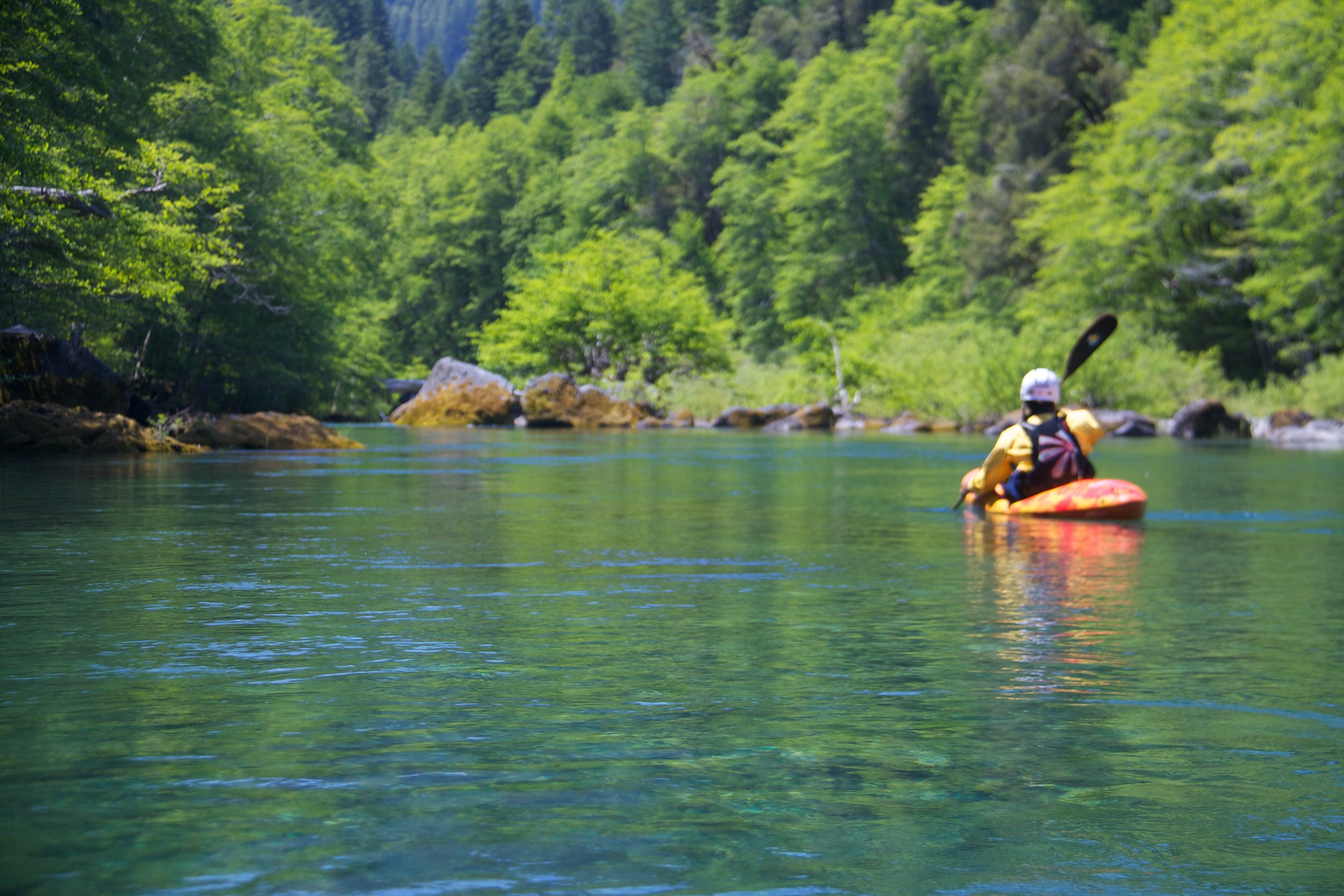
Read MoreThe Klamath-Siskiyou region is home to the largest expanse of wildlands on the West Coast. Some of these pristine wild areas are protected under the Wilderness Act as Wilderness Areas, but many other wilderness-quality lands are unprotected and face a variety of threats including logging, road-building, over-grazing, and irresponsible off-road vehicle use.
Read MoreThe mountains of the Kalmiopsis emerged from the ocean floor as result of geological uplift (rather than volcanism) and have been subject to folding and faulting ever since. As a result, the unique soils are packed with heavy metals including nickel, iron, chromium, and magnesium that make life hard for most plant life. To survive in this environment plants have had to evolve and adapt to get by in circumstances that would normally kill most flowering species. More than any other wilderness in the region, the Kalmiopsis is the home of oddball survivors.
Read More